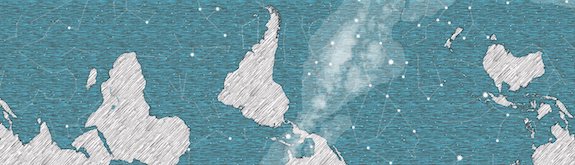
Weaver
2025-2026
Custom real-time software
200 x 150 cm
Interactive celestial maps connecting two observers across time and distance through shared stars
Interactive celestial maps connecting two observers across time and distance through shared stars
In the middle of the nineteenth century, during the Great Potato Famine, Dudley Sarsfield Brennan and Mary Colcough left Ireland and crossed the Atlantic to Argentina. I imagine them on the deck at night, breathing the cold ocean air as familiar constellations disappeared and unknown stars emerged above them. I imagine a mixture of grief and hope, an awareness of being small beneath the immensity of the universe: a ship crossing a dark sea on a planet drifting through space. They eventually settled in Magdalena, where their son Patricio was born in 1870. More than twenty years later, Enrico Vivo and Maria Viva made a similar journey from Anacapri, Italy, to Argentina. Though the two couples never met, they shared the experience of migration and became part of the same lineage. From one side of that lineage I inherited the name Patricio; from the other, the surname Vivo.
I stand at the far end of their horizon, beneath a different sky, with only fragments of their stories and the sky itself. From this desire to connect across time, I created Weaver: a way of threading my present to their future and my past to their present, a way of seeing what they saw and allowing future generations to see what I see.
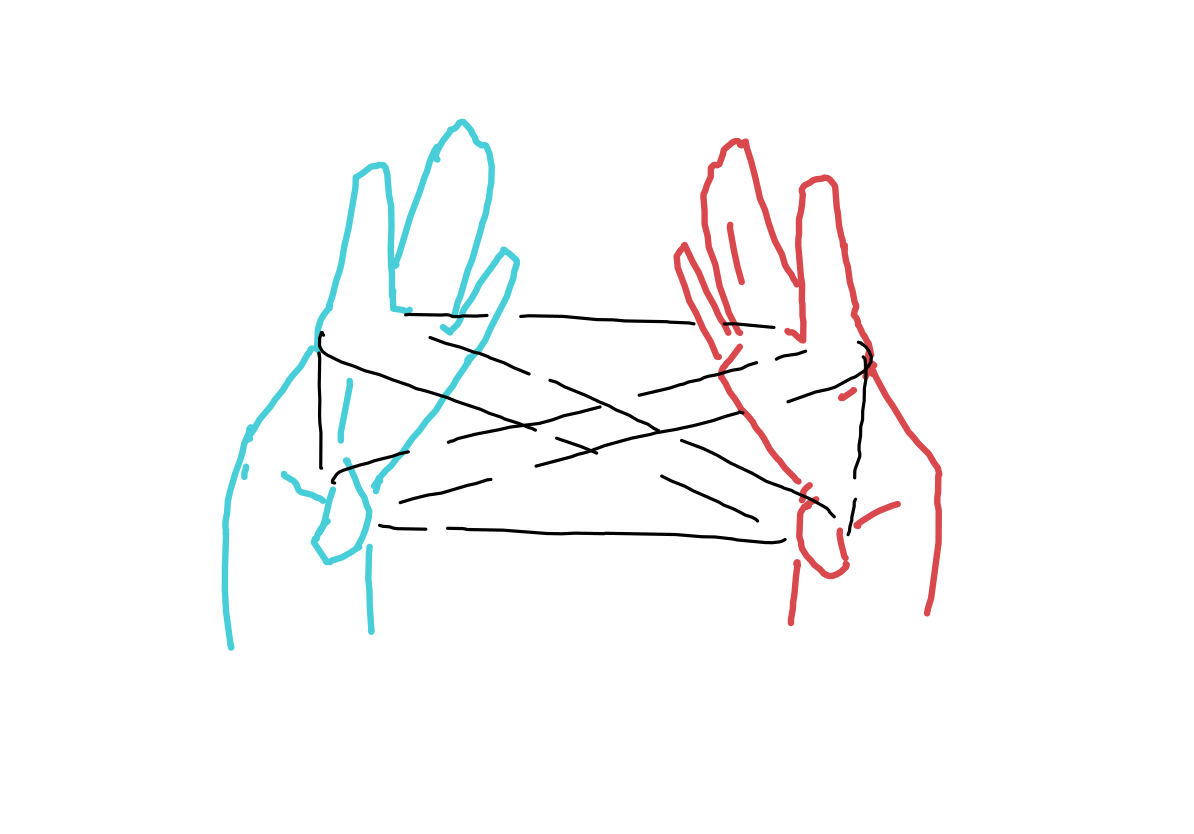
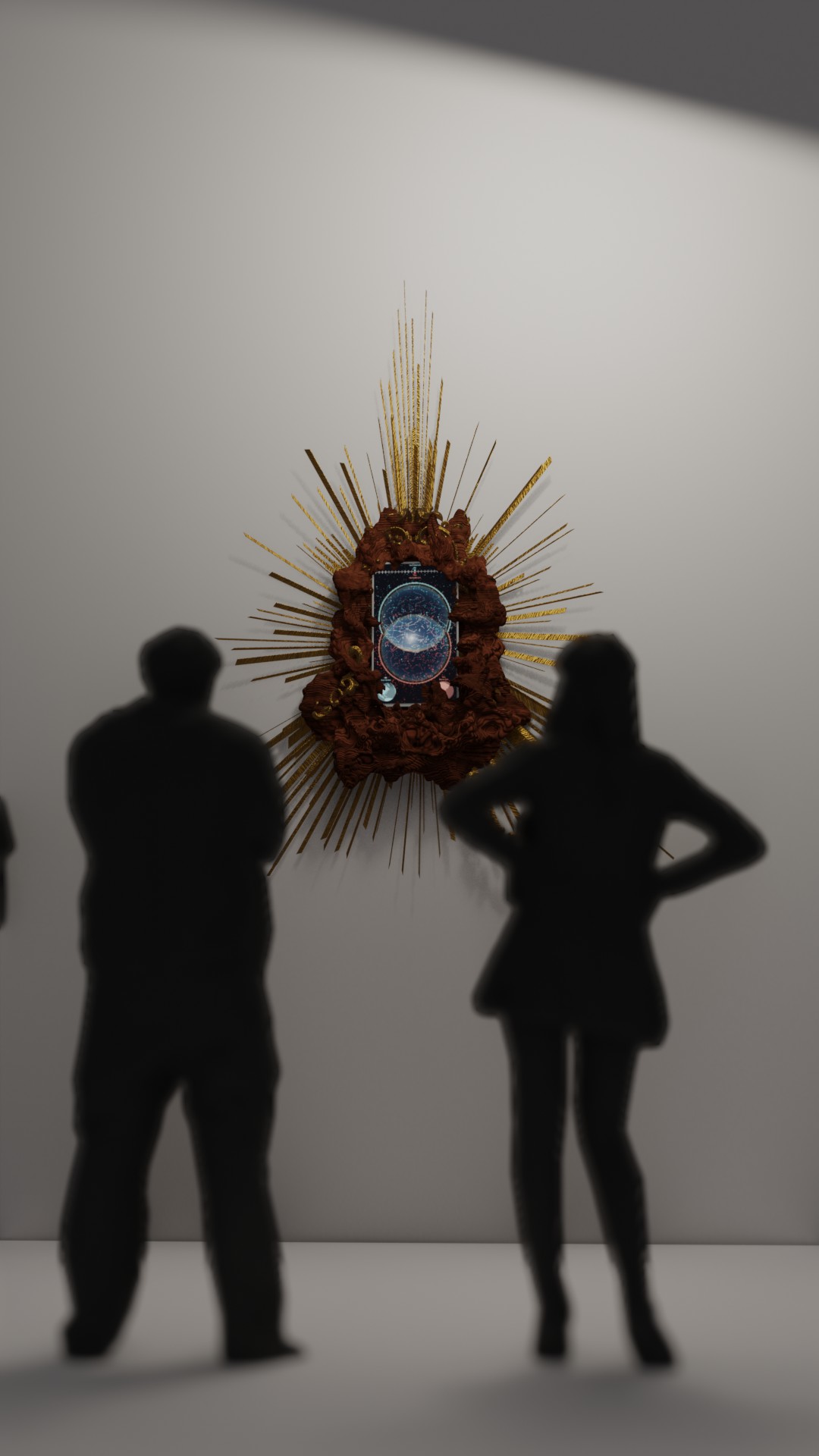
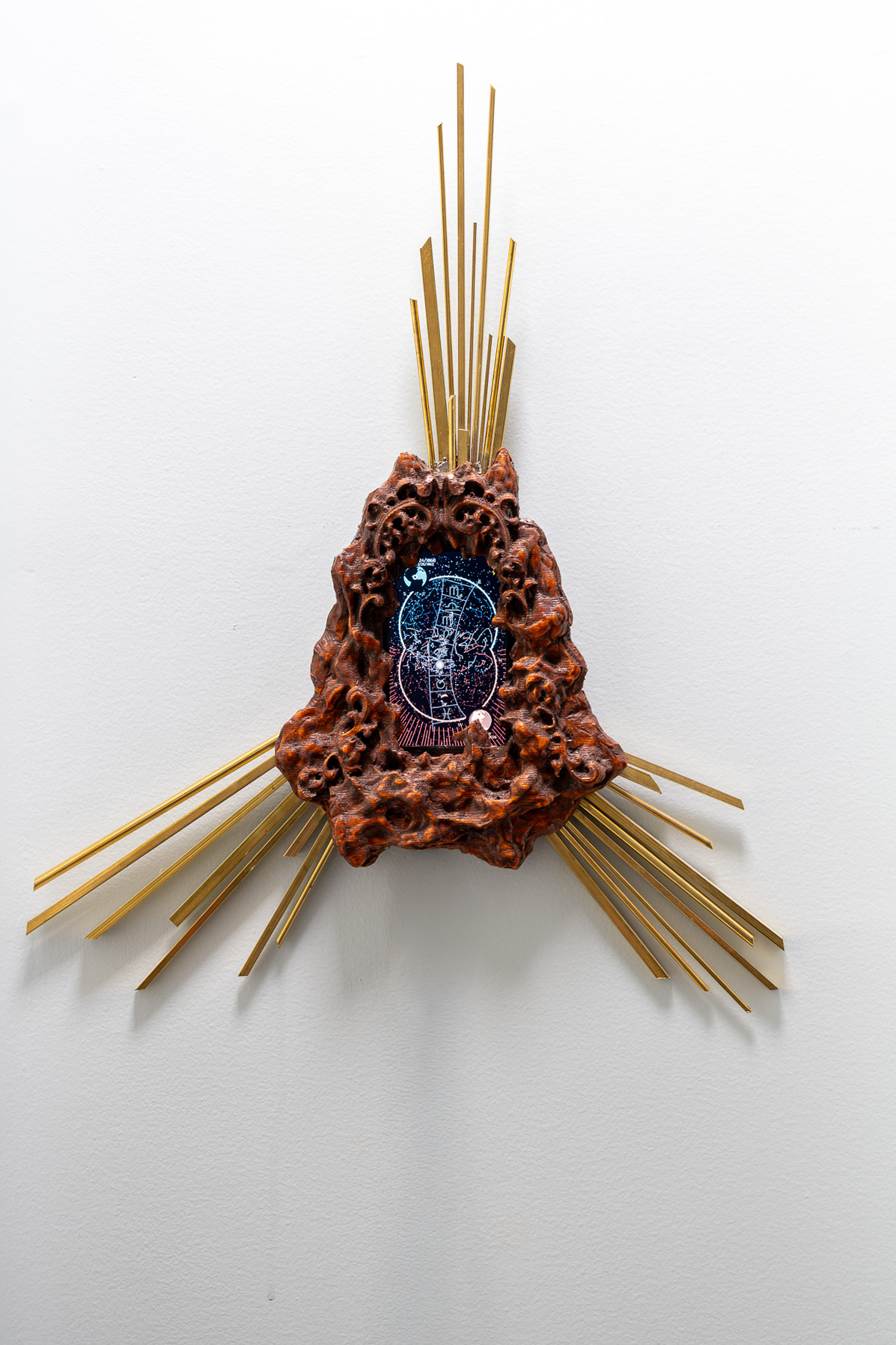
Weaver is an interactive work that invites two people to meet across time and space through a shared fragment of the night sky. Like a prayer or a ritual, it offers a passage beyond immediate experience into a quiet awareness of what connects us, not despite distance, but through it.
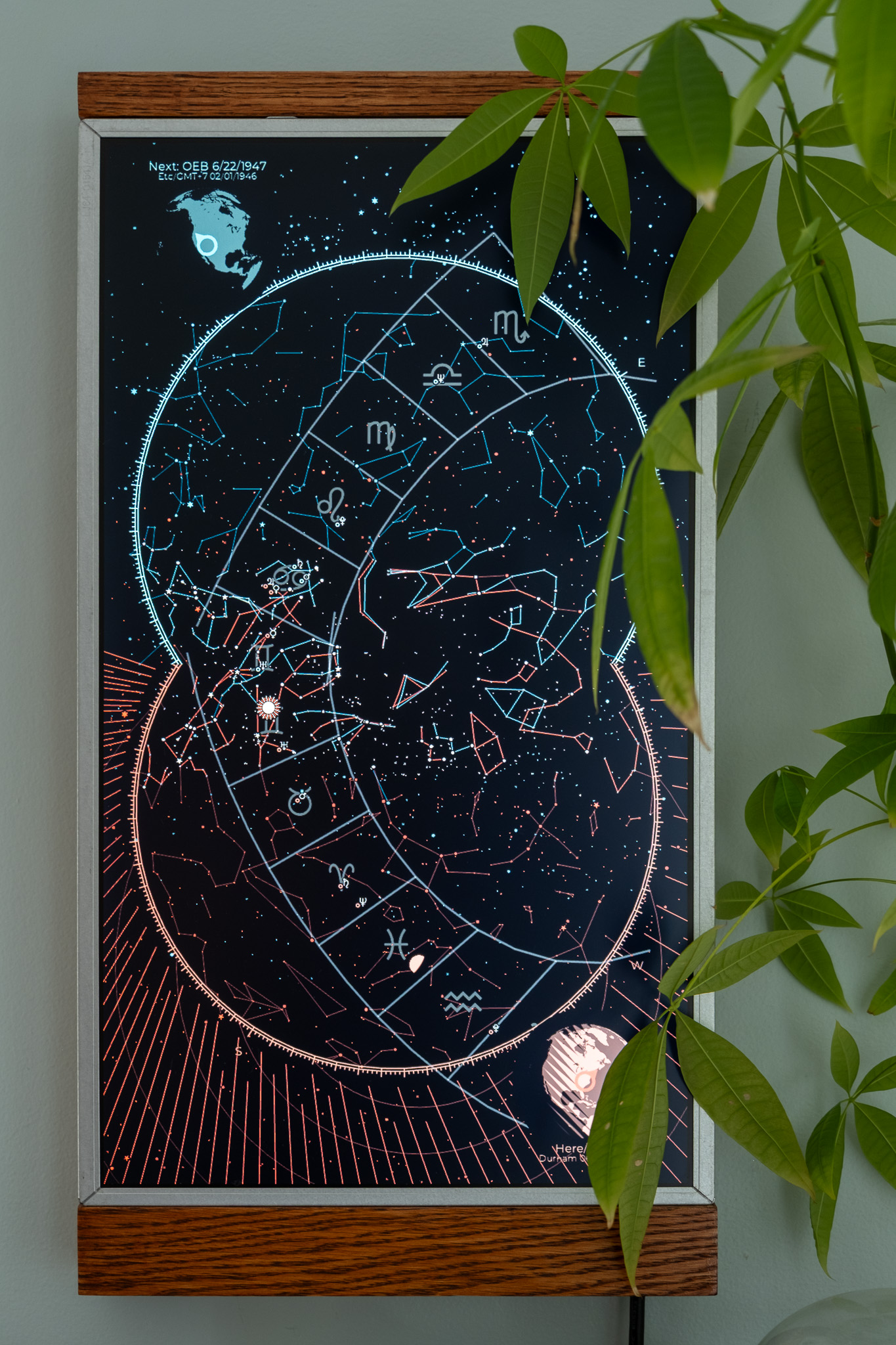
Two celestial maps overlap: one for each observer. Each is rendered in a distinct color, reflecting the night sky from a specific place and moment. In the region where the maps intersect lie the constellations both participants share, a common sky that exists beyond distance or time.
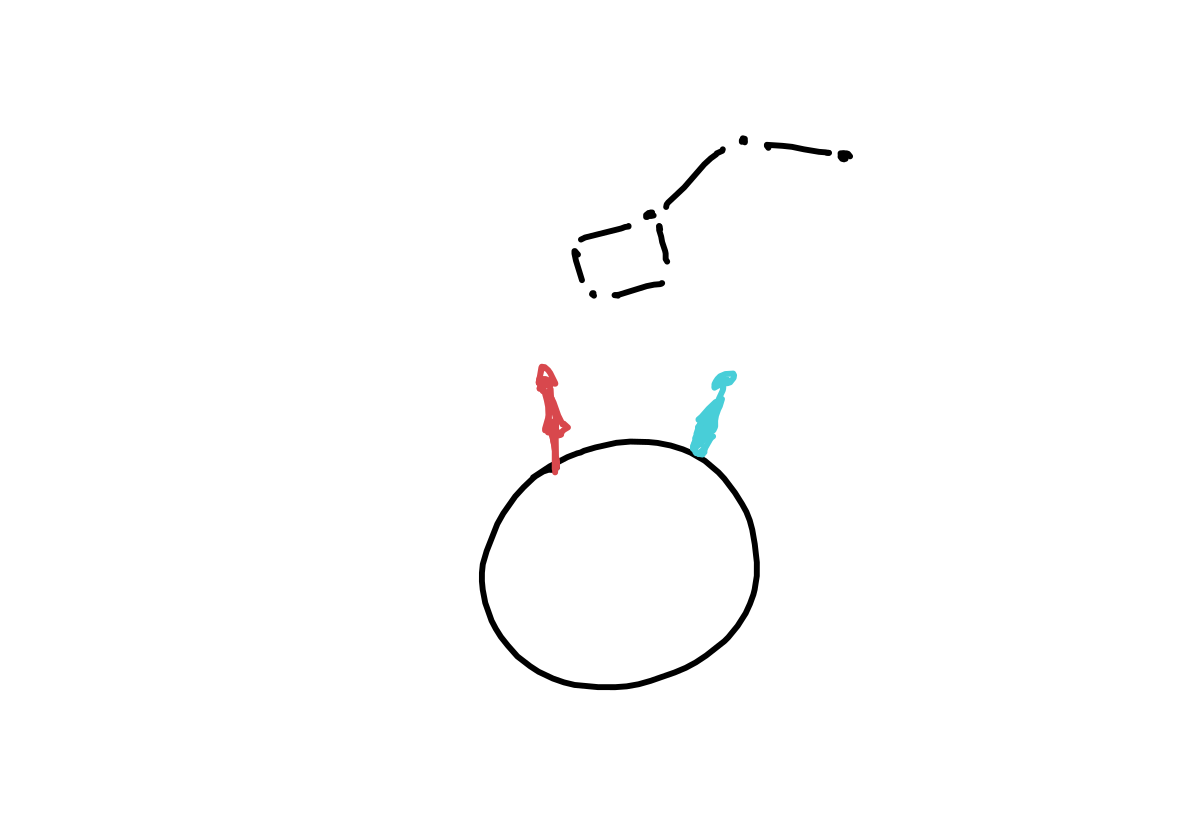
Each map uses a polar projection. Stars near the outer edge rest close to the horizon (marked by the cardinal directions), while those at the center hover directly overhead. This perspective situates each observer within their own sky, while revealing where their visions align.
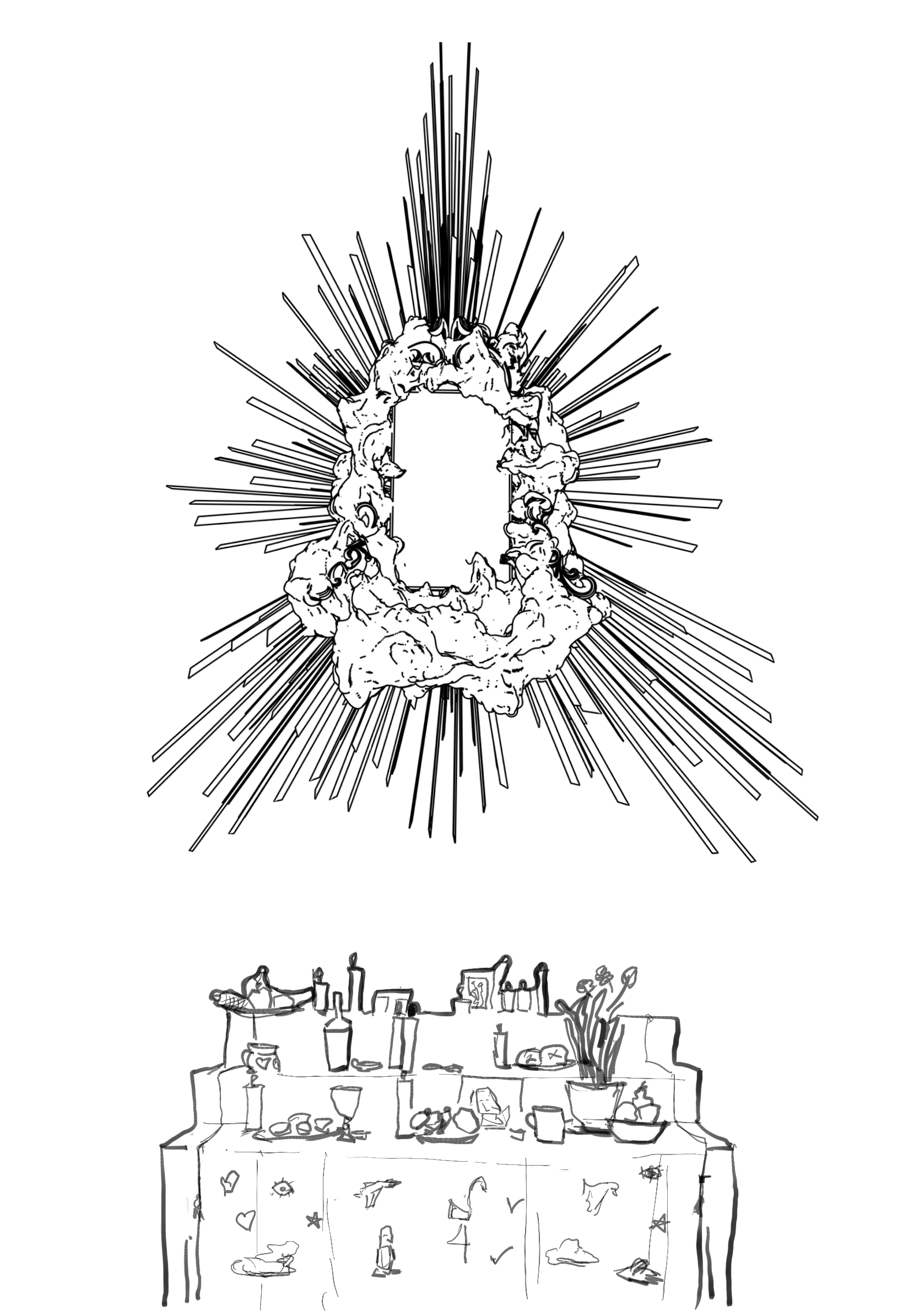
Beside each map, a rotating globe marks the observer's location. Both the celestial maps and the globes are fully interactive. By dragging the sky, you can shift the date and time; by rotating the globe, you can reposition the observer anywhere on Earth. Mounted as a site-specific installation, one map can be fixed to the present location, anchoring the visitor's own sky, while the second opens onto a single chosen place and time, or sequences through several.
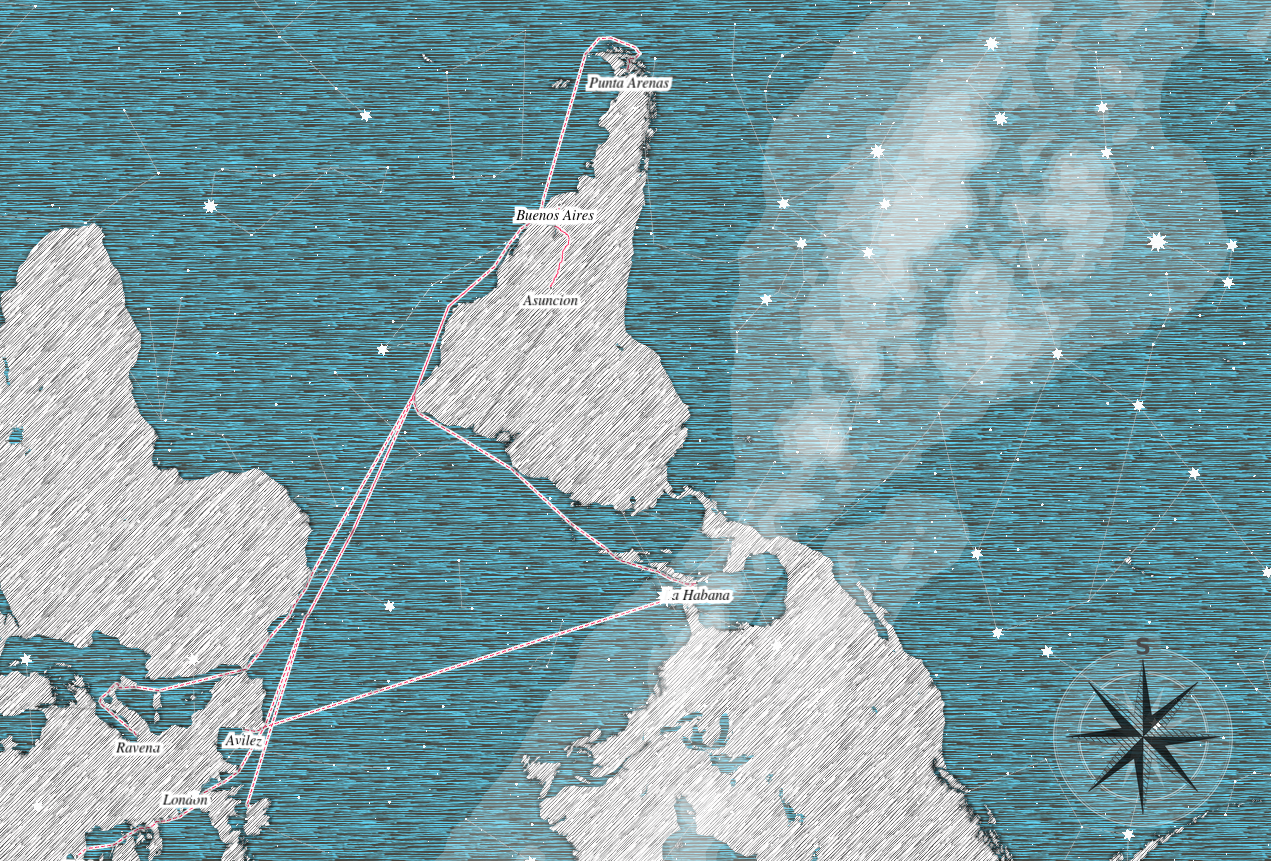
This project continues a personal exploration of my family history and the experience of migration started with the project Guayupia (2017) for the digital exposition Territory in collaboration with Jen Lowe.
The stars on Guayupia was the beginning of a 10 years long obsession for learning about the movement of the stars and planets; which lead to the creation of several artworks exploring the relationship between the sky and human awareness, such as LUNA (2017) and Orbitas (2018), ESTRELLAS (2018) and HOGAR (2019).